
July 11, 2021

July 10, 2021
JUL 10, a brief saga (basic medical science): radiation exposure


Authors' Note:
hormesis: response to an environmental agent with two phases — beneficial at low doses, and harmful at high doses (yielding a U- or J- shaped dose-response curve)

Readers can enjoy our whole collection of verses about "basic medical science" by clicking HERE.
BEIR (acronym pronounced as BEER): reports from the National Academy of Sciences, particularly BEIR VII, on the Biological Effects of Ionizing Radiation, based on Japanese atomic bomb survivors
linear no-threshold model: a model for predicting damaging effects from radiation, applied particularly to the induction of cancer by radiating medical tests (CT and nuclear medicine); based on the BEIR VII report, it is the current prevailing theory
By the BEIR model, damage by radiation is proportional to dose, starting with the first exposure, and is cumulative. That formulation runs counter to experience with other toxic influences, as well as to the more speculative concept of radiation hormesis in humans.
Some scientific societies have, on the other hand, concluded that induction of cancer by radiation is of concern, but unproven at doses in the range of diagnostic medical testing.

Readers can enjoy our whole collection of verses about "basic medical science" by clicking HERE.
For the purpose of this blog, a 'brief saga' is defined as a poem, usually narrative, but occasionally expository, that tell its story in at least 15 lines. Most commonly, the format involves three stanzas in limerick form, constituting a single submission to the online humor site 'Omnificent English Dictionary in Limerick Form'. On the OEDILF site, rigorous standards for content and format proceed in a collaborative editing process that may take several weeks to over a year.
Generally, OEDILF has not been enormously welcoming of multi-verse submissions, but Giorgio Coniglio has persisted, and the OEDILF number for each accepted multiverse poem is shown here on the slide with its first verse.
To access the next 'brief saga' on this blog (August 2021), proceed to 'French Denial'.
To access the most recent previous 'brief saga', back up to 'Clothes Moths' (holesome verse).
Re Medical-Related Poems: Altogether, more than a hundred intriguing verses on medical/dental topics can now be found on various posts in collections, including:
Patients and their Maladies (parts #1, #2 and #3)
Funny Bones (parts #1 and #2),
Doctors and their Practices (part #1 and #2)
Doctors and their Practices (part #1 and #2)
July 9, 2021
JUL 9, wordplay map: new world palindromes (#42)

You can view the entire collection of these 50 wordplay maps, by accessing the collection 'Tourists Palindromic Guides: The Americas'. Start by clicking HERE!
July 8, 2021
JUL 8, to clot, or not: pulmonary embolism (lung clots)


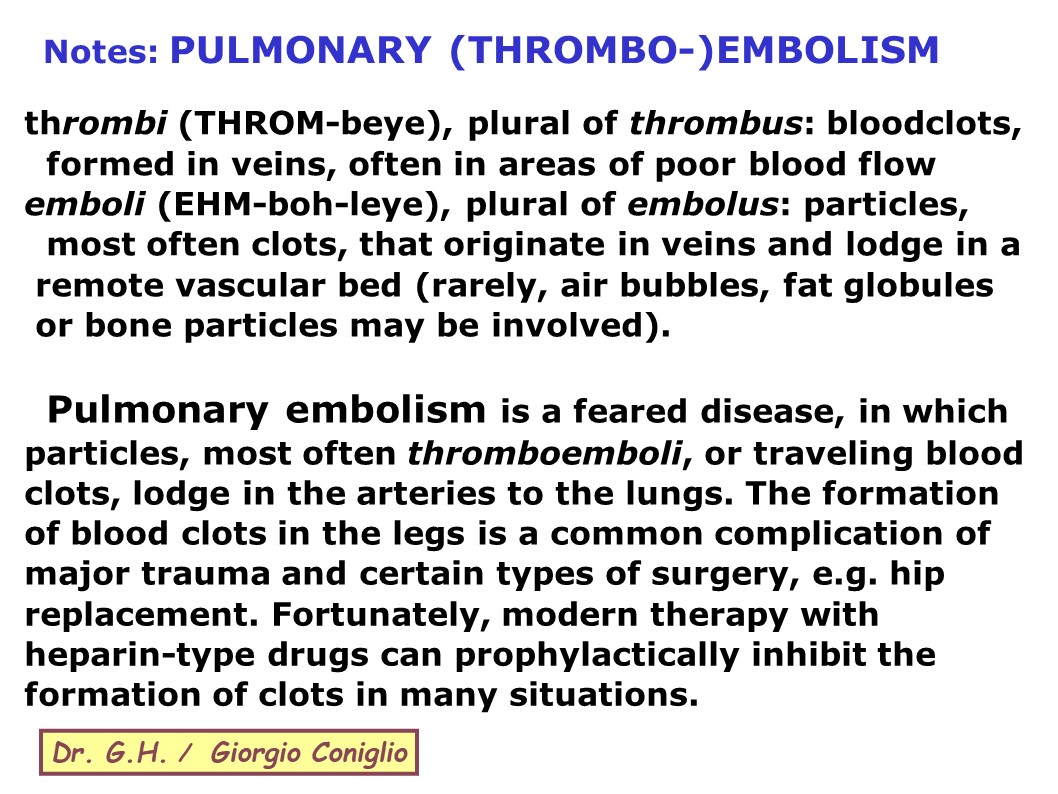
You can view these verses in a wider context by proceeding to 'To Clot, or Not to Clot' on our full-service blog "Edifying Nonsense". Click HERE!
July 7, 2021
JUL 7, spineless verse (invertebrates): gastropods


READING MORE WIDELY:
You can find all our illustrated verses about various 'INVERTEBRATES' , as compiled on our full-service blog "Edifying Nonsense" HERE. But, in fact, we had hived off verses about INSECTS, and they are gathered in separate blogposts, that you can get into HERE. So, follow these links, and enjoy!
July 6, 2021
JUL 6, domestic hazards: dangerous utensils


You can view an extensive collection of illustrated poems on this topic by proceeding to the post 'DOMESTIC HAZARDS' on our full-service blog "Edifying Nonsense". Click HERE.
July 4, 2021
JUL 4, anagram swarm: 'ELECTION FRAUD' #4
Continuing from the posts of January 16, January 18, January 20, January 22, January 24, and January 27. You might note that there are now more than 200 anagrams in this collection. Who would have guessed?

If you have enjoyed this post, you can find a series of other 'American anagram swarms' gathered in two posts on our 'parent' blog "Edifying Nonsense". To get started, click HERE.


July 1, 2021
JUL 1, Canadiana: Canadian moose

Authors' Note: This verse was inspired by a character in a verse by Chris J. Strolin who railed against the use of the incorrect term 'Canadian goose'.
In fact, when Bruce was insightfully contemplating the introduction of moose into suitable environment in Newfoundland (NEW-found-land), the island was a separate British colony. As railway building had recently opened the island's interior, it was hoped that hunters would be attracted in search of a species in decline in the US and parts of Canada.In 1904, four eastern moose from New Brunswick (that subspecies is known as Alces alces americana) had been set loose on the island. Ultimately Newfoundland, including its burgeoning population of moose, joined the Canadian confederation in 1949.
The rest is history, eh? Newfoundland now (2023) has the densest population of moose in North America, accounting for 150,000 of the continent's million remaining large ungulates.
You can review poems, pictures and diverse nonsense related to Canada on the post "Canadiana" on our full-service blog "Edifying Nonsense".
Subscribe to:
Posts (Atom)