
LINKS to other nonsense in this series:
Forward to the first Canadian map.
Forward to the next American map (20).
Back up to the first American map.


 |
American Falls, from Canadian side of River |
 |
Canadian (Horseshoe) Falls |
 |
Another diner |
 |
A patio diner at Canadian Falls |
 |
Rainbow over Canadian Falls |
 |
Maid of the mist |


In this post, we will continue with our novel form of poetic wordplay. Inspired by Japanese haiku poetry, this new form is used for a terse verse with a total of 17 syllables displayed on three lines. Unlike its classic Japanese analogue, this concoction does not mandate the precise distribution of the syllables among the three lines, but does stipulate that each word in the poem be included in a palindromic phrase or sentence in English (i.e. one that can be read either forwards or backwards).
To help the reader discern the origin of the lyrics, each palindrome (generally occupying one of the three lines of the poem) has been color-coded.





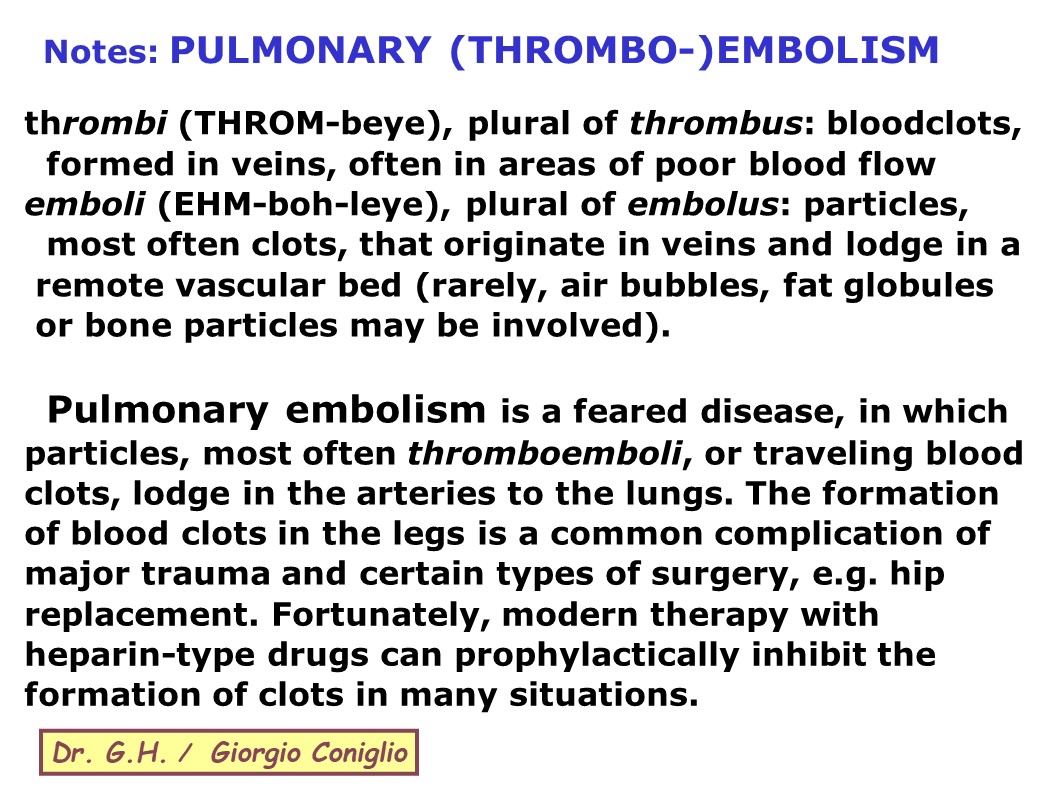
You can view these verses in a wider context by proceeding to 'To Clot, or Not to Clot' on our full-service blog "Edifying Nonsense". Click HERE!


READING MORE WIDELY:
You can find all our illustrated verses about various 'INVERTEBRATES' , as compiled on our full-service blog "Edifying Nonsense" HERE. But, in fact, we had hived off verses about INSECTS, and they are gathered in separate blogposts, that you can get into HERE. So, follow these links, and enjoy!


Continuing from the posts of January 16, January 18, January 20, January 22, January 24, and January 27. You might note that there are now more than 200 anagrams in this collection. Who would have guessed?


Authors' Note: This verse was inspired by a character in a verse by Chris J. Strolin who railed against the use of the incorrect term 'Canadian goose'.
In fact, when Bruce was insightfully contemplating the introduction of moose into suitable environment in Newfoundland (NEW-found-land), the island was a separate British colony. As railway building had recently opened the island's interior, it was hoped that hunters would be attracted in search of a species in decline in the US and parts of Canada.In 1904, four eastern moose from New Brunswick (that subspecies is known as Alces alces americana) had been set loose on the island. Ultimately Newfoundland, including its burgeoning population of moose, joined the Canadian confederation in 1949.
The rest is history, eh? Newfoundland now (2023) has the densest population of moose in North America, accounting for 150,000 of the continent's million remaining large ungulates.
You can review poems, pictures and diverse nonsense related to Canada on the post "Canadiana" on our full-service blog "Edifying Nonsense".


